The 6 Pillars of Lasting Health
The 6 Pillars of Lasting Health –
Evidence-based habits behind lifestyle medicine
We often view health as a lottery—something that simply happens to us. We tend to believe that vitality is a gift of youth and that chronic illness is an inevitable part of aging.
But modern science tells a different, far more empowering story. Research shows that while we cannot change our genetic code, our daily choices have the power to influence how those genes are expressed (Epigenetics). Your body possesses an innate, miraculous intelligence to heal, repair, and thrive—if only given the right tools.
Lifestyle Medicine is not about rigid restrictions or punishing regimens. It is the evidence-based medical specialty that uses therapeutic lifestyle interventions as a primary modality to treat chronic conditions. It is about shifting from merely treating symptoms to nurturing the very foundation of your health.
No matter where you are on your journey, it is never too late to start. Below are the 6 Pillars of Lifestyle Medicine, the essential framework designed to help you build a life of longevity, resilience, and true vitality.
Part 1: The Framework (The 6 Pillars)
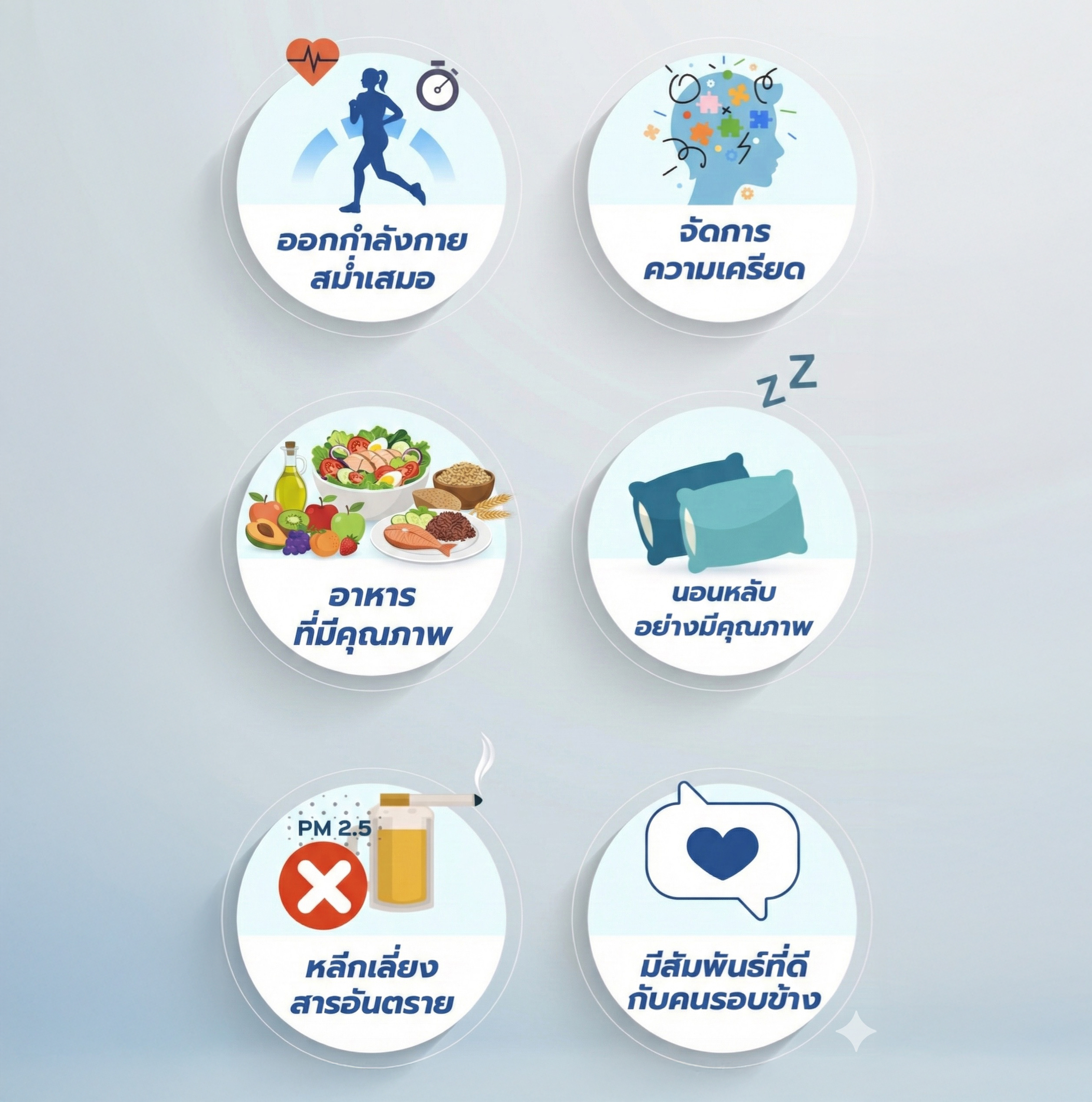
1. Whole-Food, Plant-Predominant Nutrition
Food is medicine. The standard modern diet is often high in calories but low in nutrients. Lifestyle Medicine prescribes a diet centered around unrefined, nutrient-dense foods.
• Focus On: Whole foods, vegetables, fruits, whole grains, legumes (beans, lentils), nuts, and seeds.
• Avoid: Highly processed foods, refined carbohydrates, saturated fats, added sugars, and excessive sodium.
• The Benefit: Essential for the prevention and treatment of heart disease, diabetes, hypertension, and for sustainable weight management.
2. Physical Activity
The human body is designed for movement. Physical activity is not just about burning calories; it is a vital signal to your genes to maintain health.
• Guideline: Incorporate regular movement into daily life combined with structured exercises like brisk walking, cycling, or weight training suitable for your fitness level.
• The Benefit: Enhances cardiovascular health, mood, and muscular strength while drastically reducing the risk of Non-Communicable Diseases (NCDs).
3. Restorative Sleep
Sleep is not a luxury; it is the foundation of recovery and metabolic health. It is the time when your brain cleanses itself and your cells repair.
• Guideline: Prioritize sufficient duration (7-9 hours for adults) and high sleep quality. Address issues like insomnia or sleep apnea promptly.
• The Benefit: Regulates metabolism, boosts immune function, and improves cognitive health and emotional stability.
4. Stress Management
Chronic stress is a silent inflammation driver that impacts every organ system in the body.
• Guideline: Utilize active coping mechanisms such as mindfulness meditation, deep breathing exercises, muscle relaxation, or Cognitive Behavioral Therapy (CBT).
• The Benefit: Protects the heart and brain from chronic inflammation and reduces stress-induced risky behaviors (like overeating or smoking).
5. Avoidance of Risky Substances
Eliminating toxins is crucial for the body's natural healing process to occur.
• Guideline: Cessation of tobacco use, limiting or eliminating alcohol intake, and avoiding addictive substances.
• The Benefit: Drastically lowers the risk of various cancers, heart disease, liver cirrhosis, and mental health disorders.
6. Social Connection
Humans are wired for connection. Isolation is a significant risk factor for mortality, comparable to smoking or obesity.
• Guideline: Cultivate meaningful, supportive relationships with family, friends, and the community.
• The Benefit: Improves emotional resilience, increases longevity, and enhances overall quality of life
เรามักมองว่าสุขภาพที่ดีเป็นเรื่องของ "โชคชะตา" หรือมองว่าโรคภัยไข้เจ็บเป็นเรื่องปกติที่ต้องเจอเมื่ออายุมากขึ้น
แต่วิทยาศาสตร์การแพทย์ยุคใหม่ยืนยันความจริงที่ต่างออกไป งานวิจัยระบุชัดเจนว่า แม้เราจะเปลี่ยนรหัสพันธุกรรม (DNA) ของตัวเองไม่ได้ แต่พฤติกรรมในแต่ละวันของเรามีอำนาจในการกำหนด "การแสดงออกของยีน" (Epigenetics) ร่างกายของคุณมีความฉลาดล้ำลึกตามธรรมชาติที่จะซ่อมแซมและฟื้นฟูตัวเอง... หากเพียงแต่คุณมอบเครื่องมือที่ถูกต้องให้กับมัน
เวชศาสตร์วิถีชีวิต (Lifestyle Medicine) ไม่ใช่การบังคับให้ใช้ชีวิตอย่างเคร่งครัดหรืออดสิ่งที่ชอบ แต่คือศาสตร์ทางการแพทย์ที่ใช้การปรับพฤติกรรมเพื่อรักษาที่ "ต้นเหตุ" ของโรค แทนที่จะทำเพียงแค่กดอาการไว้ด้วยยา
ไม่ว่าวันนี้สุขภาพของคุณจะอยู่ในจุดไหน มันไม่เคยสายเกินไปที่จะเริ่มต้น นี่คือ 6 เสาหลัก ที่จะช่วยให้คุณสร้างสุขภาพที่แข็งแรง ยืดหยุ่น และเปี่ยมด้วยพลังชีวิตอย่างแท้จริง
ส่วนที่ 1: กรอบแนวคิด (The 6 Pillars)
1. โภชนาการที่เน้นพืชเป็นหลัก (Whole-Food, Plant-Predominant Nutrition)
"อาหารคือยา" ในขณะที่อาหารยุคปัจจุบันมักให้พลังงานสูงแต่สารอาหารต่ำ เวชศาสตร์วิถีชีวิตเน้นการกินอาหารที่คงรูปตามธรรมชาติ
• สิ่งที่ควรเน้น: ผัก ผลไม้ ธัญพืชไม่ขัดสี ถั่ว และเมล็ดพืชต่างๆ
• สิ่งที่ควรเลี่ยง: อาหารแปรรูปสูง (Ultra-processed foods) แป้งขัดขาว ไขมันอิ่มตัว น้ำตาล และโซเดียมที่มากเกินไป
• ประโยชน์: เป็นปัจจัยสำคัญที่สุดในการป้องกันและรักษาโรคหัวใจ เบาหวาน ความดันโลหิตสูง และช่วยควบคุมน้ำหนักอย่างยั่งยืน
2. กิจกรรมทางกาย (Physical Activity)
ร่างกายมนุษย์ถูกออกแบบมาเพื่อการเคลื่อนไหว การขยับตัวไม่ใช่แค่การเบิร์นแคลอรี แต่เป็นการส่งสัญญาณระดับเซลล์เพื่อให้ยีนทำงานอย่างปกติ
• แนวทางปฏิบัติ: ผสานการเคลื่อนไหวลงในกิจวัตรประจำวัน ร่วมกับการออกกำลังกายตามความเหมาะสม เช่น เดินเร็ว ปั่นจักรยาน หรือเวทเทรนนิง
• ประโยชน์: เสริมสร้างหัวใจและหลอดเลือด ปรับสมดุลอารมณ์ เพิ่มความแข็งแรงของกล้ามเนื้อ และลดความเสี่ยงโรคไม่ติดต่อเรื้อรัง (NCDs)
3. การนอนหลับที่มีคุณภาพ (Restorative Sleep)
การนอนไม่ใช่เรื่องฟุ่มเฟือย แต่เป็นรากฐานของการฟื้นฟูระบบเผาผลาญ เป็นช่วงเวลาที่สมองชำระล้างของเสียและเซลล์ทำการซ่อมแซมตัวเอง
• แนวทางปฏิบัติ: ให้ความสำคัญทั้งระยะเวลา (7-9 ชั่วโมง) และคุณภาพการนอน หากมีปัญหานอนไม่หลับหรือหยุดหายใจขณะหลับ ควรรีบแก้ไข
• ประโยชน์: ควบคุมระบบเผาผลาญ เสริมภูมิคุ้มกัน และเพิ่มประสิทธิภาพการทำงานของสมองและอารมณ์
4. การจัดการความเครียด (Stress Management)
ความเครียดเรื้อรังเปรียบเสมือนการอักเสบเงียบที่ทำลายทุกระบบในร่างกาย
• แนวทางปฏิบัติ: ใช้เทคนิคผ่อนคลายเชิงรุก เช่น การเจริญสติ (Mindfulness), การฝึกหายใจ, หรือจิตบำบัด (CBT)
• ประโยชน์: ปกป้องหัวใจและสมองจากการอักเสบเรื้อรัง และลดพฤติกรรมเสี่ยงที่เกิดจากการระบายความเครียด (เช่น กินจุบจิบ หรือสูบบุหรี่)
5. การหลีกเลี่ยงสารอันตราย (Avoidance of Risky Substances)
การกำจัดสารพิษเป็นจุดเริ่มต้นเพื่อให้กระบวนการรักษาตัวเองของร่างกายทำงานได้
• แนวทางปฏิบัติ: เลิกสูบบุหรี่ จำกัดหรือเลิกดื่มแอลกอฮอล์ และหลีกเลี่ยงสารเสพติด
• ประโยชน์: ลดความเสี่ยงมะเร็งหลายชนิด โรคหัวใจ ตับแข็ง และปัญหาสุขภาพจิตอย่างมีนัยสำคัญ
6. ความสัมพันธ์ทางสังคม (Social Connection)
มนุษย์เป็นสัตว์สังคม ความโดดเดี่ยวส่งผลเสียต่อสุขภาพเทียบเท่ากับการสูบบุหรี่หรือโรคอ้วน
• แนวทางปฏิบัติ: สร้างความสัมพันธ์ที่มีคุณภาพและเกื้อกูลกันกับครอบครัว เพื่อน และชุมชน
- ประโยชน์: เพิ่มความยืดหยุ่นทางอารมณ์ (Resilience) ทำให้อายุยืนยาวขึ้น และยกระดับคุณภาพชีวิตโดยรวม